
Medical Sapphire Lens: Endoscopy, Laser Surgery & Dental Guide
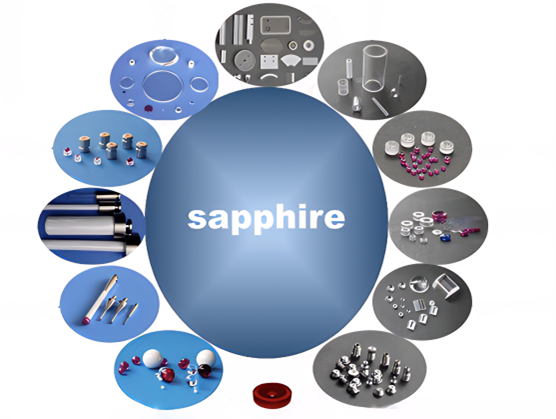
A procurement engineer's guide to sapphire optical components in medical equipment
When selecting medical sapphire lens components, you often face a dilemma:
The lens assembly must simultaneously withstand repeated high-temperature sterilization, transmit broadband light from UV to near-IR, remain chemically inert without ion leaching, meet laser damage thresholds, and hold micron-level dimensional precision…
Several materials can handle one or two of these requirements.
Virtually only a medical sapphire lens satisfies all of them.
This guide is for medical device OEM engineers and procurement managers. It covers the key technical specifications across three major application scenarios, plus five non-negotiable parameters to verify before placing an order.
Endoscopy: Ra ≤ 0.1nm Is the Baseline
Modern electronic endoscopes demand precision optical components that routine glass and fused silica simply cannot deliver.
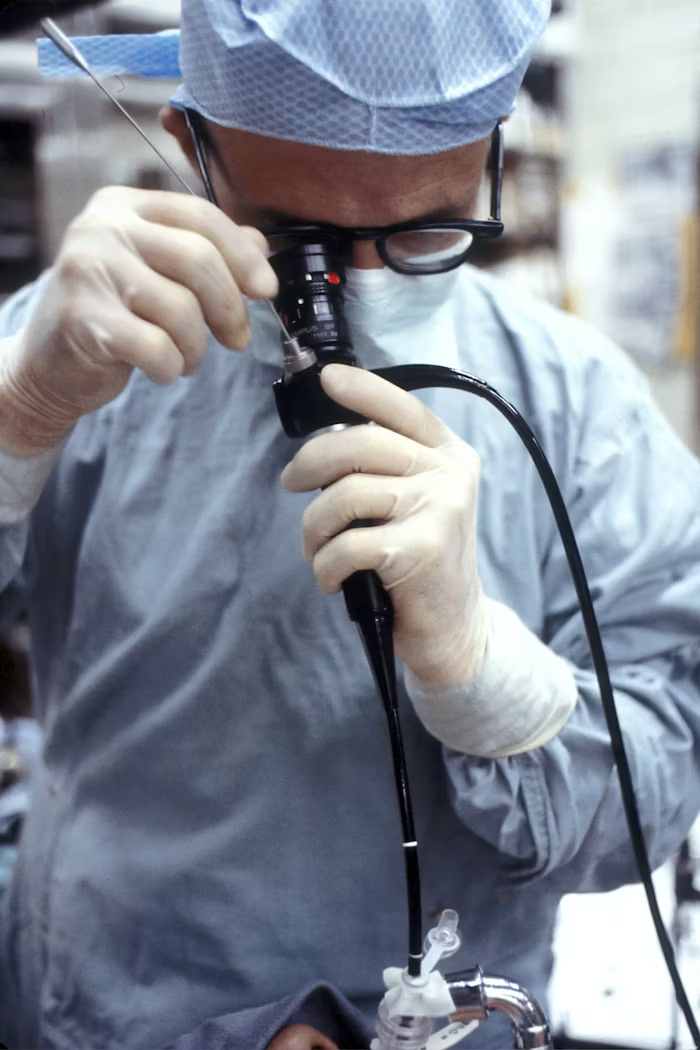
Typical specifications for a medical sapphire lens protection window in endoscopy:
- Diameter: 3–10mm
- Surface roughness: Ra ≤ 0.1nm
- Transmittance: ≥ 88% (200–3000nm)
- Sterilization cycle rating: 134°C / 0.2MPa — no significant transmittance loss after 500 cycles
A medical sapphire lens resists strong disinfectants such as sodium hypochlorite and glutaraldehyde with zero surface corrosion — something glass cannot match. In high-volume endoscopic procedures, this translates directly to lower replacement costs and fewer device failures.
Laser Surgery: No LIDT, No Performance
Laser surgical systems push optical materials to their thermal and optical limits. Choosing the wrong lens material risks patient safety and equipment damage.
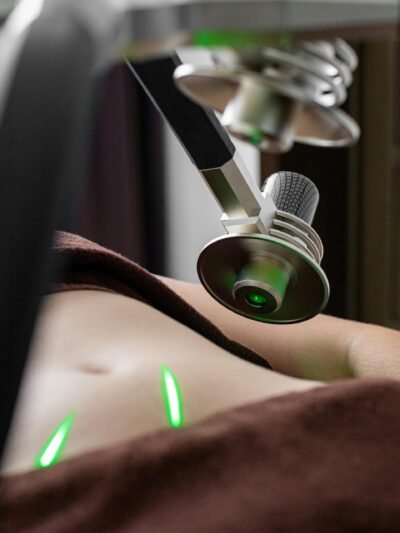
Different laser wavelengths demand different optical responses from your medical sapphire lens:
| Laser type | Wavelength | Sapphire compatibility |
|-----------|------------|----------------------|
| UV excimer laser | 193–355nm | ✅ UV-grade, Ra ≤ 0.1nm |
| Er:YAG laser | 2940nm | ✅ High transmittance in mid-IR |
| CO₂ laser | 10600nm | ⚠️ Sapphire opaque at this wavelength; ZnSe required |
**Laser Induced Damage Threshold (LIDT)** is the defining spec: a medical sapphire lens requires **≥ 10 J/cm²** (@ 1064nm, 10ns pulse) for laser surgery applications. Below this threshold, the window degrades under sustained high-power exposure. Always request the LIDT test report — do not accept an "industrial grade" declaration as a substitute.
Dental: Biocompatibility Certification Is a Prerequisite
Sapphire lenses for dental laser handpieces must satisfy regulatory requirements that go far beyond optical performance.
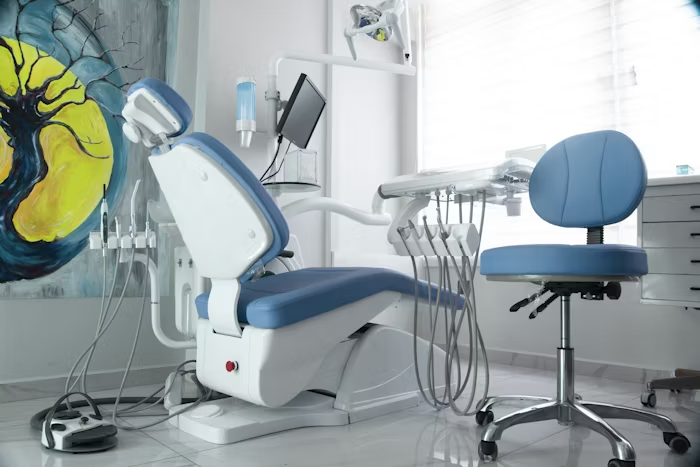
A medical sapphire lens used in dental applications must meet:
- ISO 10993 certification — biological evaluation of medical devices, confirming nickel-free and sensitizing-agent-free composition
- Stable optical performance after repeated 134°C sterilization cycles
- Diameter tolerance: ±0.01mm to ensure precise laser beam coupling at the treatment site
For overseas regulatory submissions, ISO 10993 or FDA 21 CFR Part 58 test reports are required documentation — not optional add-ons. A supplier that cannot provide these upfront is unlikely to be a reliable long-term partner.
5 Parameters That Filter Out 80% of Sapphire Suppliers
Use this checklist before any commercial discussion. A medical sapphire lens that fails any one of these should be disqualified immediately:
| Parameter | Medical-grade threshold | Common trap |
|---|---|---|
| Surface roughness Ra | ≤ 0.2nm (laser-grade ≤ 0.1nm) | Insufficient polishing; Ra at 0.5nm+ |
| LIDT | ≥ 10 J/cm² | No test report; industrial grade passed off as laser grade |
| Transmittance | ≥ 85% (200–3000nm) | Marketed as "high clarity" with no spectral data |
| Dimensional tolerance | ±0.01mm (precision medical ±0.005mm) | Out-of-tolerance causes image vignetting |
| Biocompatibility | ISO 10993 or FDA 21 CFR Part 58 | RoHS/CE ≠ medical device certification |
Suppliers who can simultaneously provide all five test reports — and ship from China — currently offer 30–40% lower pricing than equivalent Japanese or American sources, with MOQ as low as 5 pieces and sample lead times of 2–4 weeks. Browse our sapphire lens product range→
Send Your Specifications — I'll Assess Feasibility
Evaluating a medical sapphire lens supplier? Before reaching out, prepare:
- Lens diameter and thickness
- Surface quality grade (reference Ra values above)
- Target quantity and delivery timeline
- Required certification documents (ISO 10993, FDA, or equivalent)
I'll respond with: whether your specs are optimal, a recommended sourcing approach, and whether we're the right fit for your project.
Submit your inquiry here → (Response within 1–2 business days)
Key specs referenced in this guide: Ra surface roughness per ISO 10110-7, LIDT per ISO 21254, transmittance per ASTM E424, dimensional tolerance per ISO 286.