Comparison of Properties Between Synthetic Diamond and Synthetic Sapphire
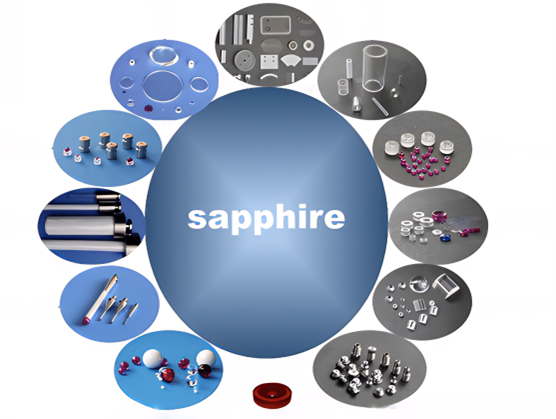
When your optical system design requires a sapphire component that does not exist in any catalog, you need a supplier capable of custom manufacturing—not just catalog fulfillment. Custom sapphire optics present unique engineering challenges that require specialized equipment, process expertise, and rigorous quality verification. The difference between a capable custom sapphire supplier and one that overpromises is often found in the details: Do they machine in-house or subcontract? Can they achieve your tolerances consistently? How do they verify surface quality on complex geometries? This guide covers how custom sapphire optical components are manufactured, what customization options are typically available, and how to evaluate suppliers for custom sapphire OEM projects. Whether you need a single prototype or monthly production volumes of custom sapphire lenses, understanding the manufacturing process and supplier capabilities will help you make better procurement decisions.
In today's rapidly evolving technological landscape, optical window materials play a crucial role across numerous industries. From consumer electronics to
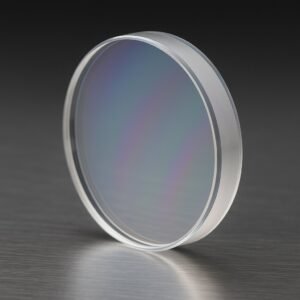
The best way to make a sapphire window is by growing a large, single crystal of synthetic sapphire, slicing it into wafers with a diamond saw, and then meticulously grinding and polishing those wafers to achieve the desired thickness, flatness, and optical transparency. It is a multi-stage, precision-controlled process.
Selecting the right sapphire lens supplier is one of the most consequential decisions in optical component procurement. The difference between a dependable supplier and a problematic one can determine whether your production timeline stays on track or derails into costly delays, quality failures, and replacement cycles. Unlike standard glass optics, sapphire lenses demand specialized manufacturing processes, tight material controls, and precise quality verification. A supplier that performs well on price may falter on consistency; one that promises fast delivery may lack the certification your customer requires. This guide walks through the five criteria procurement engineers and optical system designers use to evaluate sapphire lens suppliers. Whether you're sourcing components for medical devices, industrial sensors, or defense optics, these evaluation frameworks help you make informed decisions that protect your project timeline and product quality. By the end, you'll know exactly what questions to ask your next potential sapphire lens supplier—and what answers signal a genuinely capable partner versus one that will cost you more in the long run.
An industrial sapphire window is a transparent component made from high-purity α-Al₂O₃ (aluminum oxide) single crystals, processed through controlled crystal
When selecting lens material for reusable endoscopic devices, the choice between sapphire and glass determines device lifespan, maintenance costs, and clinical reliability. Glass has been the traditional choice for medical optics. But glass degrades under repeated autoclave sterilization—limiting device lifetime and increasing replacement costs. Sapphire (synthetic single-crystal Al₂O₃) offers a compelling alternative. Its extreme hardness, thermal stability, and chemical inertness make it ideal for reusable devices that must survive thousands of sterilization cycles. This article compares sapphire and glass as endoscope lens materials across the critical parameters that affect device performance, longevity, and total cost of ownership.
A procurement engineer's guide to sapphire optical components in medical equipment When selecting medical sapphire lens components, you often face
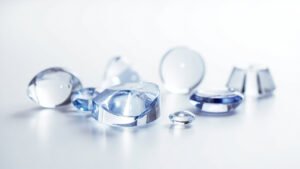
Lenses → Focus or spread light (imaging/vision correction). Prisms → Split, bend, or filter light (spectroscopy/reflection). 💡 Bonus: Modern optics (e.g., cameras, telescopes) combine lenses and prisms for advanced control!
No posts found. Please check back later.