
AR-Coated Sapphire Window: Complete Buying Guide for Industrial Buyers
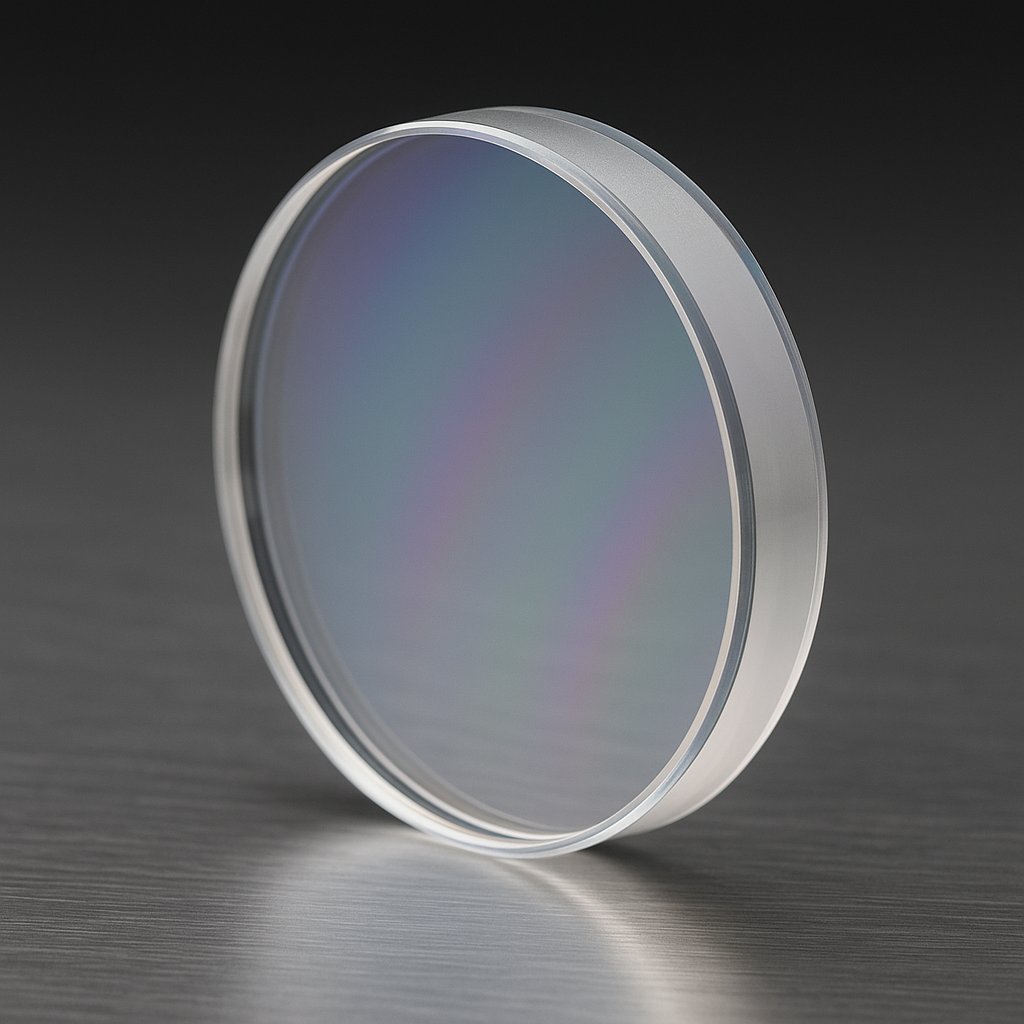
Quick Answer: An AR coated sapphire window is a synthetic sapphire, corundum, or Al₂O₃ optical window with an anti-reflective coating that reduces surface reflection from about 7% per surface to below 0.5%. Typical options cover 190 nm to 5 µm, 5–300 mm diameter, and are used in laser, IR imaging, and harsh-environment sensor systems.
Industrial optical windows often fail where mechanical durability, transmission, heat, and contamination resistance must work together. Uncoated sapphire is extremely hard, but its high refractive index creates reflection losses that can reduce signal strength, increase ghost images, and destabilize optical measurements.
The risk grows when buyers specify only diameter and thickness while overlooking coating wavelength, angle of incidence, adhesion, surface quality, or environmental exposure. A window that looks acceptable on a drawing may underperform in the assembly.
This guide gives procurement engineers and design engineers a practical framework for selecting an AR coated sapphire window: what it is, why coating matters, which specifications to control, which coating types fit common systems, and how to compare sapphire with uncoated sapphire and AR-coated fused silica.
What Is an AR-Coated Sapphire Window?
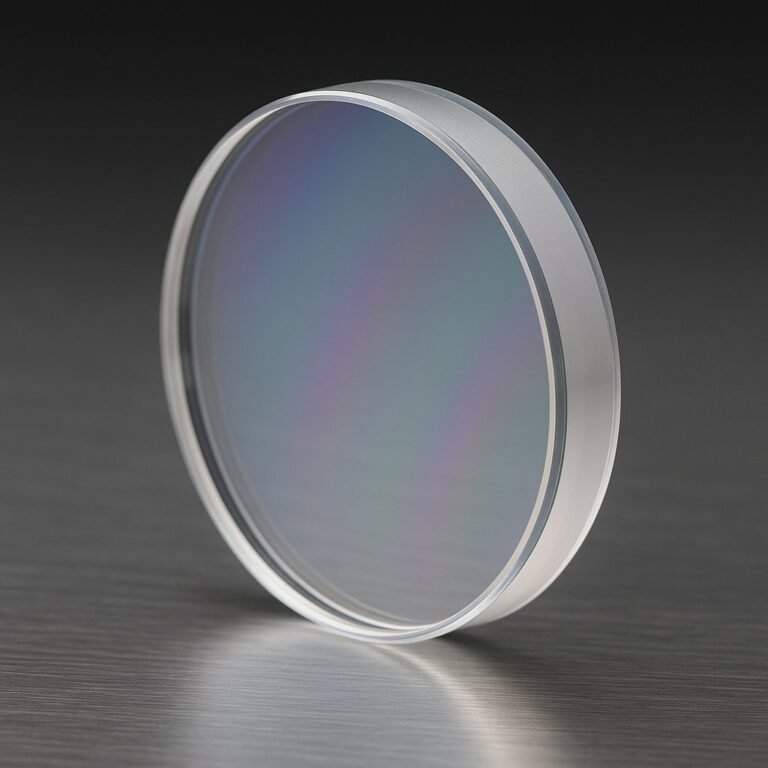
An AR coated sapphire window is an optical window made from synthetic sapphire, also known as corundum or Al₂O₃, with one or more anti-reflective thin-film layers deposited on one or both optical surfaces. The sapphire substrate provides mechanical strength, hardness, chemical stability, and broad optical transmission, while the AR coating reduces Fresnel reflection at selected wavelengths or wavelength bands.
Synthetic sapphire combines optical transparency with exceptional durability. It has Mohs hardness 9, second only to diamond among common engineering materials, making it highly resistant to scratching, abrasion, and particle impact. It transmits from approximately 190 nm to 5 µm, depending on grade, thickness, polish, coating, and measurement conditions. It also offers thermal conductivity of roughly 25–46 W/(m·K), helping dissipate heat better than many glass materials.
Sapphire often needs AR coating because of its refractive index. When light passes from air into sapphire, part of the light is reflected at the surface. The same effect occurs again when light exits the opposite side. On uncoated sapphire, reflection is approximately 7% per surface at 589 nm, so total window transmission is often around 85–90% before considering absorption, scatter, and system geometry.
An anti-reflective coating uses thin-film interference. Coating layers with controlled refractive index and thickness cause reflected waves to partially cancel at the target wavelength or band. Simple designs use a single layer, while advanced designs use multiple layers to control reflection across broad bands, narrow laser lines, or dual spectral regions.
For buyers, the key point is that an AR coated sapphire window is a matched optical component. Substrate orientation, polish, flatness, surface quality, coating formula, angle of incidence, environmental durability, and inspection standards must be specified together.
Why AR-Coating Matters for Sapphire
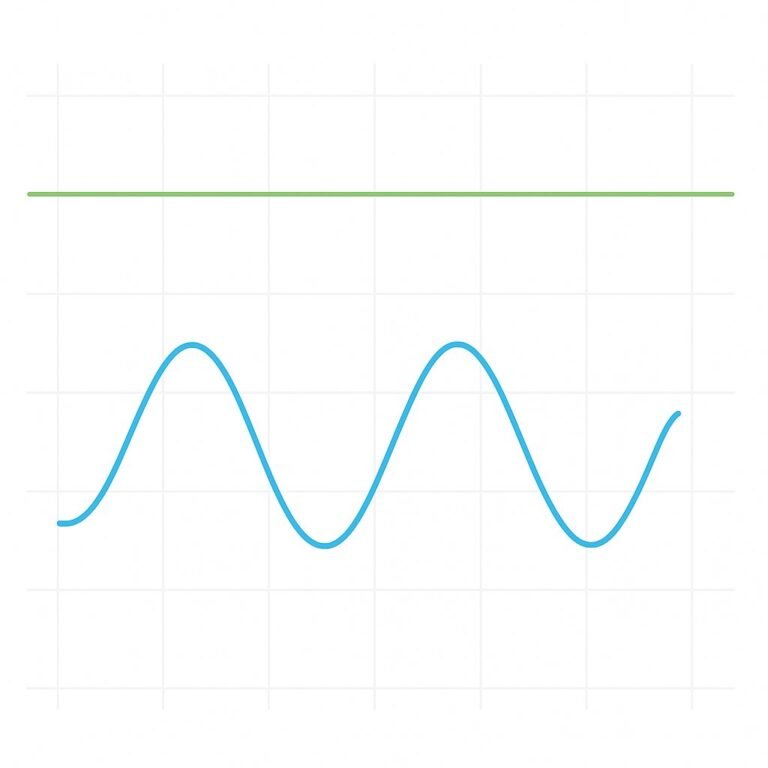
Sapphire’s strength is one reason industrial designers choose it, but optical reflection is the main reason they specify AR coating. A bare sapphire-air interface reflects about 7% of incident light per surface at 589 nm. In a two-surface window, that can reduce transmission to about 85–90% under typical conditions. In low-power viewing applications, this may be acceptable. In precision imaging, laser delivery, spectroscopy, or sensor protection, it can be a critical limitation.
An AR coated sapphire window can reduce reflection to below 0.5% per surface when the coating is designed for the operating wavelength, angle, and polarization. In many single-wavelength or optimized band applications, transmission can exceed 99% for a single-side AR condition, improving throughput when both sides are coated appropriately. This supports stronger signal levels, lower stray light, reduced ghost reflections, and better measurement stability.
The gain becomes especially important when multiple optical surfaces are present. A system may include protective windows, lenses, filters, beam splitters, and detector covers. Even if each component loses only a few percent, cumulative loss can reduce detector signal or require higher laser power, longer exposure, or more sensitive electronics.
Reflection also affects image quality. Unwanted reflections can create ghost images in cameras, flare in inspection systems, feedback in laser cavities, and false readings in photometric sensors. For laser systems, reflected energy may travel back toward the source, causing instability or safety concerns.
AR coating matters in harsh environments because sapphire is often selected when glass cannot survive abrasion, pressure, chemicals, or heat. If the coating cannot match the environment, the benefit is lost. Buyers should evaluate optical performance, coating adhesion, cleaning resistance, temperature rating, humidity performance, and inspection criteria.
AR Coating Specifications Buyers Must Evaluate
A reliable purchase specification should define both the sapphire substrate and the coating. Many sourcing problems occur because a drawing lists only outside diameter, thickness, and “AR coating,” without stating wavelength range, target reflectance, angle of incidence, surface quality, or environmental standard. For industrial procurement, this is not enough.
Start with the substrate. Define material as synthetic sapphire, corundum, or Al₂O₃. Confirm diameter, thickness, tolerance, chamfer, edge finish, crystal orientation if relevant, flatness, parallelism, and surface quality. Sapphire windows are commonly available from 5–300 mm diameter and 0.5–20 mm thickness, depending on tolerance and application. Flatness may range from λ/10 to λ/2, and surface quality may range from 10-5 to 80-50 scratch-dig. Tighter specifications increase cost and lead time, so match them to real optical sensitivity.
Next define the coating. A useful AR coating callout includes wavelength or band, reflectance target, whether coating is on one side or both sides, angle of incidence, polarization if important, operating temperature, environmental exposure, and durability requirement. Coating adhesion should be evaluated against recognized standards such as MIL-C-48497 or ISO 9211 when industrial qualification is required. Operating temperature may reach approximately 450°C, but this is coating dependent, not only substrate dependent.
| Specification Area | Typical Options or Values | Buyer Notes |
|---|---|---|
| Substrate material | Synthetic sapphire / corundum / Al₂O₃ | Confirm optical grade and application environment |
| Transmission range | Approx. 190 nm–5 µm | Coating must match the working band |
| Diameter | 5–300 mm | Larger sizes may need relaxed tolerances |
| Thickness | 0.5–20 mm | Balance strength, weight, and transmission |
| Flatness | λ/10 to λ/2 | Use tighter flatness for imaging or laser wavefront control |
| Surface quality | 10-5 to 80-50 scratch-dig | Select based on scatter and cosmetic requirements |
| Uncoated reflection | ~7% per surface at 589 nm | Baseline for optical loss calculation |
| AR-coated reflection | <0.5% per surface possible | Depends on wavelength, angle, and coating design |
| Temperature range | Up to ~450°C | Coating dependent; confirm before ordering |
| Adhesion standard | MIL-C-48497 / ISO 9211 | Useful for qualification and incoming inspection |
For repeat orders, include an approved drawing and inspection method. The best AR coated sapphire window specification is measurable, manufacturable, and tied to real system performance.
Common AR Coating Types for Sapphire Windows
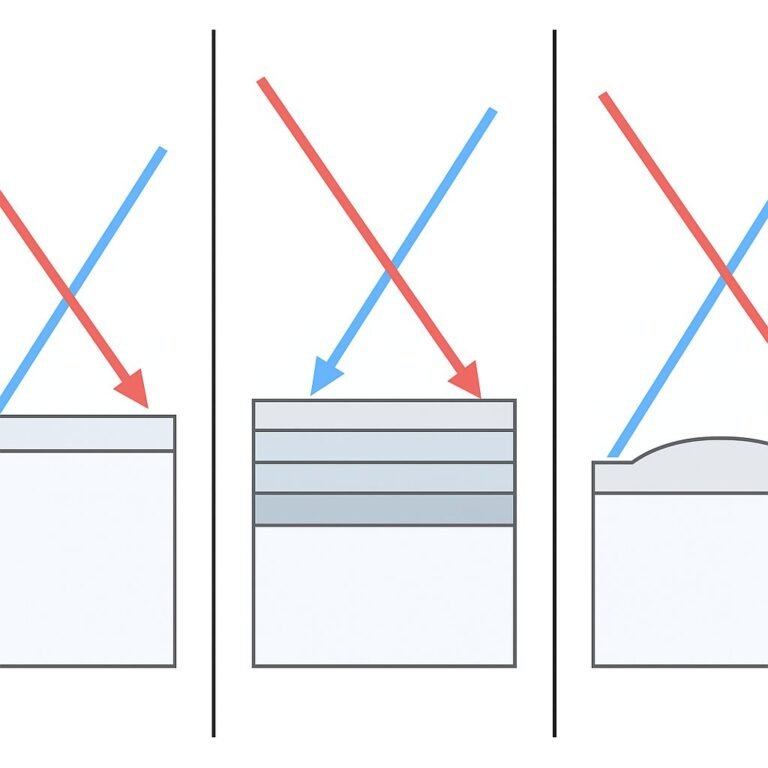
Different anti-reflective coatings solve different optical problems. Selecting the right type depends on wavelength, bandwidth, incidence angle, polarization, power density, cleaning method, and environment. Common options for sapphire include single-layer MgF₂, multi-layer BBAR, V-coat, and dual-band AR designs.
Single-layer MgF₂ is often used when buyers need a simple, economical AR solution near the visible region. Magnesium fluoride has a refractive index of about 1.38 and can reduce reflection to approximately 1.5% per surface at 550 nm when properly designed. It is not the lowest-reflection option, but it is widely understood, relatively robust, and suitable for many viewing windows, indicator windows, and moderate-performance optical assemblies.
Multi-layer BBAR, or broadband anti-reflective coating, reduces reflection over a wider wavelength range. A common example is 400–900 nm, where average reflection can be less than 0.5% per surface depending on design and measurement conditions. BBAR coatings are useful for machine vision, broadband illumination, inspection cameras, and systems where the source spectrum is not a single laser line. Performance varies across the band, and the coating design must account for angle of incidence.
V-coat AR designs are optimized for one narrow wavelength, such as a laser line. They can deliver very low reflectance at the design wavelength, making them suitable for laser processing, laser measurement, rangefinding, and optical instruments where maximum throughput at one wavelength matters most. Buyers must specify wavelength, angle, polarization, and laser power conditions clearly.
Dual-band AR coatings are designed for two separate wavelength regions. They are useful in systems that combine aiming and sensing, visible alignment and IR operation, or multi-spectral detection. Dual-band designs are more complex and should be reviewed carefully with the supplier. In many cases, performance compromises are necessary between the two bands.
The correct AR coated sapphire window is selected by optical function, not by coating name alone. Ask for reflectance curves, durability assumptions, and inspection criteria before approving production.
Application-Specific AR Selection Guide
For laser systems, the first questions are wavelength, power density, beam diameter, angle of incidence, and back-reflection sensitivity. A narrowband V-coat is often preferred when the system operates at a fixed laser wavelength. If the window protects a laser processing head, the sapphire substrate provides abrasion resistance and thermal stability, while the AR coating minimizes return loss and heating. Buyers should confirm whether the coating is suitable for expected laser fluence and cleaning.
For IR imaging and thermal sensing, wavelength band is the key selection driver. Sapphire transmits into the mid-infrared up to approximately 5 µm, making it useful for certain short-wave and mid-wave IR protection windows. However, the AR design must be matched to the detector band. A visible AR coating will not necessarily improve IR transmission. Specify the operating band, required average transmission, temperature, and exposure such as dust, rain, oil mist, or abrasive particles.
For semiconductor equipment, an AR coated sapphire window may be used in plasma chambers, inspection ports, UV exposure systems, metrology tools, or process monitoring assemblies. Cleanliness, chemical resistance, surface quality, and thermal behavior are often as important as transmission. Procurement teams should define allowable contamination, edge finish, packaging, and inspection requirements. If the window is exposed to aggressive plasma or cleaning chemistry, coating durability must be reviewed carefully.
For medical and analytical instruments, AR coating selection is usually driven by signal stability, cleanability, and imaging quality. Sapphire windows are used where repeated cleaning, scratch resistance, and biocompatible system design are required. Surface quality and low scatter may be important for fluorescence, spectroscopy, or imaging modules. Buyers should specify whether the coating must tolerate disinfectants, autoclave-like conditions, or repeated wipe cycles.
For aerospace and defense-related industrial systems, priorities include shock, vibration, temperature cycling, humidity, abrasion, and long-term optical stability. Sapphire’s hardness and thermal conductivity make it attractive for exposed sensor windows and protective optics. Coating qualification should be discussed early, including adhesion per MIL-C-48497 or ISO 9211, temperature range, salt fog or humidity needs, and mechanical mounting stress.
Across all applications, define the optical band first, then the environment, mechanical envelope, and inspection standard. This ensures the AR coated sapphire window supports the full system requirement rather than only meeting basic drawing dimensions.
| Feature | AR-Coated Sapphire | Uncoated Sapphire | AR-Coated Fused Silica |
|---|---|---|---|
| Hardness | Mohs 9, excellent abrasion resistance | Mohs 9, excellent abrasion resistance | Lower hardness than sapphire |
| Typical reflection | <0.5% per surface possible | ~7% per surface at 589 nm | Low with correct AR coating |
| Typical transmission | Can exceed 99% in optimized conditions | ~85–90% through two surfaces | High in UV-visible-NIR ranges |
| Transmission range | Approx. 190 nm–5 µm | Approx. 190 nm–5 µm | Strong UV to near-IR, material dependent |
| Thermal conductivity | 25–46 W/(m·K) | 25–46 W/(m·K) | Lower than sapphire |
| Scratch resistance | Excellent | Excellent | Moderate |
| Harsh environment suitability | Excellent when coating is matched | Excellent mechanically, lower optical throughput | Good optically, less rugged mechanically |
| Best use | Rugged systems needing high transmission | Protective windows where reflection is acceptable | Precision optics where extreme hardness is not required |
| Cost profile | Higher than uncoated sapphire | Lower than AR-coated sapphire | Often economical, but application dependent |
Buyer Checklist
- Define the operating wavelength or wavelength band before selecting the coating type.
- Specify whether AR coating is required on one side or both sides.
- State reflectance or transmission targets, not only “AR coating.”
- Confirm diameter, thickness, tolerance, chamfer, edge finish, and mounting method.
- Select flatness and surface quality based on wavefront, imaging, or scatter requirements.
- Provide angle of incidence and polarization if the window is not used at normal incidence.
- Confirm operating temperature, cleaning method, humidity, chemicals, and abrasion exposure.
- Request adhesion and durability references such as MIL-C-48497 or ISO 9211 when required.
- Review inspection reports, coating curves, and packaging requirements for production orders.
- Balance performance, manufacturability, lead time, and cost before locking the drawing.
FAQ
1. When should I choose an AR coated sapphire window instead of uncoated sapphire?
Choose AR coating when reflection loss, ghost images, back-reflection, or low signal strength affects performance. Use uncoated sapphire when mechanical protection matters more than optical throughput.
2. Can sapphire be AR coated for both visible and IR wavelengths?
Yes. Sapphire can receive visible, IR, broadband, narrowband, or dual-band AR coatings, but the design must match the exact wavelength range and environment.
3. What reflection level is realistic for AR-coated sapphire?
Well-designed coatings can reduce reflection to below 0.5% per surface at specified wavelengths or bands. Single-layer MgF₂ is typically around 1.5% per surface at 550 nm.
4. What sizes are available for industrial sapphire windows?
Common ranges include 5–300 mm diameter and 0.5–20 mm thickness, depending on tolerance, flatness, surface quality, coating design, and feasibility.
5. What information should I send for a quotation?
Send diameter, thickness, tolerance, wavelength band, reflectance target, coated side, flatness, surface quality, quantity, environment, temperature, and required standards.
Selecting the right AR coated sapphire window is a system-level decision. The substrate gives the component its hardness, thermal conductivity, and environmental resistance, while the AR coating determines how efficiently light passes through the window. For industrial buyers, the best results come from specifying both together: optical band, reflection target, surface quality, flatness, durability, temperature, and inspection requirements.
WanbaoTek manufactures custom synthetic sapphire, corundum, and Al₂O₃ optical windows for demanding industrial applications. If you need help reviewing drawings, coating requirements, or production feasibility, contact our engineering team here: [/contact/](/contact/)
Related Articles
- [Sapphire Optical Windows: Complete Guide](/sapphire-optical-windows-complete-guide/)
- [Sapphire vs. Fused Silica: How to Choose the Right Optical Window](/sapphire-vs-fused-silica/)
- [Custom Sapphire Windows for Harsh Environment Sensors](/custom-sapphire-windows/)
- [Sapphire Material Properties for Industrial Design Engineers](/sapphire-material-properties/)
- [Optical Surface Quality and Scratch-Dig Specifications Explained](/optical-surface-quality-scratch-dig/)